
Facilities
Facilities
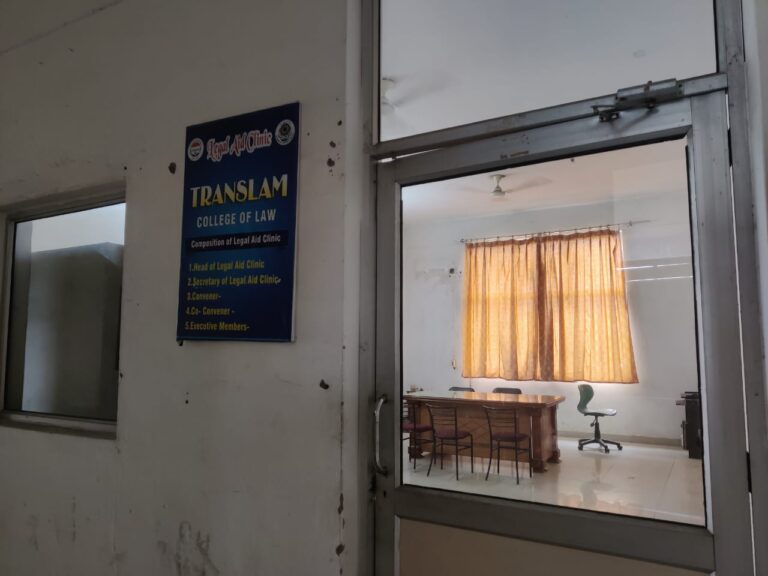
Legal aid
Legal aid is the provision of legal assistance to individuals who are unable to afford legal representation or otherwise face difficulties in accessing the justice system. It is an essential component of a fair and equitable legal system because financial circumstances should not prevent a person from understanding or enforcing their legal rights. Legal aid helps ensure that every individual, regardless of their economic or social circumstances, has a meaningful opportunity to seek justice and obtain appropriate legal remedies.
Access to justice is a fundamental principle of the rule of law. A legal system can provide effective justice only when people are able to understand their rights, approach the appropriate authorities, present their case, and obtain a fair hearing. For individuals who cannot afford a lawyer, court fees, documentation expenses, or other legal costs, these requirements can create significant barriers. Legal aid seeks to reduce such barriers by providing legal advice, assistance, representation, and other necessary support.

Moot court
A moot court, commonly referred to as mooting, is an academic activity that simulates real court proceedings and provides law students with an opportunity to apply their theoretical legal knowledge in a practical setting. It is an important component of legal education because it helps students develop advocacy skills, legal research abilities, analytical thinking, and professional confidence. Through moot court exercises, students gain firsthand experience of courtroom procedures and learn how legal arguments are presented before judges.
Unlike a traditional trial, moot court generally focuses on the appeals process rather than the examination of witnesses or presentation of evidence. Therefore, there is usually no jury, no witnesses, and no factual investigation during a moot court competition. Participants are required to argue legal issues based on a pre-determined set of facts and applicable laws. Their primary objective is to persuade the bench through well-reasoned legal arguments supported by statutes, judicial precedents, and legal principles.
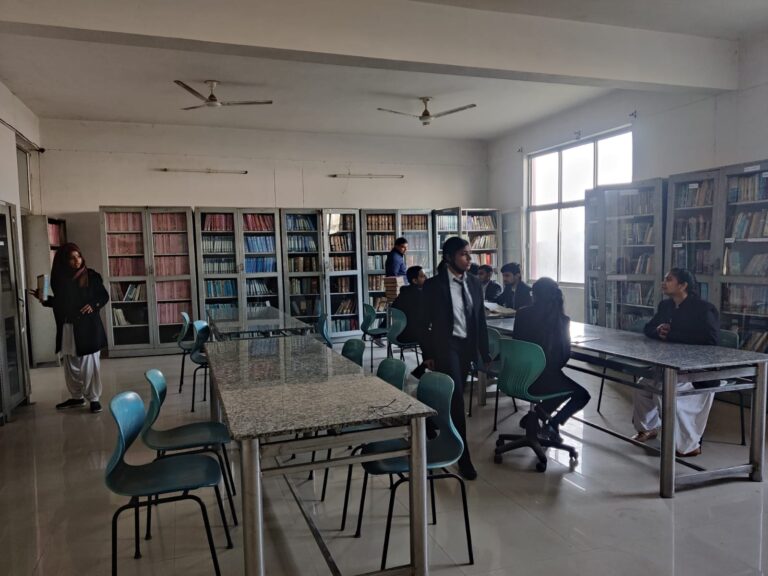
Library
A library is a collection of books, journals, reference materials, digital resources, and other forms of information that are organized and made accessible for learning, research, education, and general use. A library is not simply a place where books and other materials are displayed; rather, it is an active learning environment where students, teachers, researchers, and other users can access information and develop their knowledge.
An effective library plays an important role in an educational institution. It provides students with access to academic resources that support classroom learning and independent study. Libraries also encourage reading, research, critical thinking, and the development of lifelong learning habits.
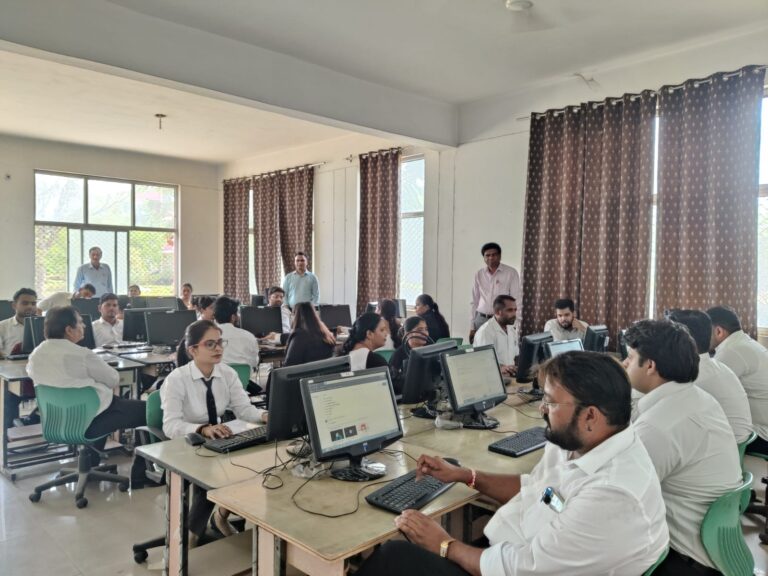
Computer lab
A computer lab in a law college serves as an important academic and technological resource for students, faculty members, and researchers. It provides access to computers, internet connectivity, digital learning resources, online legal databases, and software required for legal education and research. In today’s technology-driven legal environment, familiarity with computers and digital tools has become an essential part of legal education and professional development.
The computer lab provides students with a suitable environment to conduct legal research, prepare assignments, draft legal documents, access electronic books and journals, participate in online learning, and develop essential digital skills. It complements traditional classroom teaching and the physical library by providing quick access to a wide range of electronic resources.